
A student once walked out of a Tel Aviv clothes shop because nobody offered to help her.
I once walked out of a shop in the United States because someone did.
Both of us felt uncomfortable. Both of us left without buying anything. And the two stories have stayed with me as an example of why learning a language also means learning something about the culture around it.
It started with a shirt
A few years ago, a student asked me about a shirt I was wearing. She had good taste, actually. It was a really nice shirt from ATA, a local clothing brand that my wife and I like.
She wanted to buy one for her boyfriend, so I told her where to find the shop.
The next day, I saw her at the Ulpan and asked whether she had found it. She had, she said, but she had not bought anything. The person working there had been rude.
That surprised me. I knew the shop well, and rude was about the last word I would have used to describe the people there. I asked what had happened.
She explained that she had walked in, the staff had seen her, and nobody had come over to ask whether she needed help. She felt so unwelcome that she left.
And there was the misunderstanding. What she experienced as being ignored was what I would have experienced as being left comfortably to browse.
For me, that was polite.
Meanwhile, in the United States
Years earlier, I had gone to visit my sister in the United States. I walked into a shop and was immediately greeted with a very enthusiastic welcome.
Hello, sir. How are you, sir? Do you need any help, sir?
To me, it felt like an ambush. I was so intimidated that I left.
So when my American student told me her story about the shop in Tel Aviv, I found the reversal very funny. She had wanted someone to approach her. I had wanted someone to let me be. We had both judged the interaction using expectations that felt completely natural to us.
A question that might have helped us both was: what kind of welcome do people expect here?
There is more to understand than the words
The shop is a small example. The same kind of mismatch can appear around directness, personal questions, personal space, or the way people complain.
How directly should you say what you want? How much should you soften a request? What feels friendly, and what feels intrusive?
Those expectations do not come neatly translated in a vocabulary list.
I think about this a little like getting used to an unfamiliar accent. At first, your ears keep expecting the sounds they already know. You need time and attention to recognise a different pattern.
With social behaviour, I think we sometimes need a similar adjustment. An interaction may be using a set of expectations we have not yet learned to recognise.
I have experienced that from the learner's side too. I studied German for years and speak it fluently, but the choice between formal and informal ways of addressing someone can still feel less instinctive to me than it does to someone who grew up with it.
German distinguishes between informal du and formal Sie. Knowing the pronouns is one thing; knowing which form fits a particular relationship is another. The choice depends on the people and the setting. The Goethe-Institut explores that distinction here.
My own Israeli habits did not make that choice feel obvious. I had to pay attention to it as part of learning how to interact in German.
Leave a little room for another interpretation
When something feels strange or abrupt in a new place, it can help to pause before deciding what it means. What did you expect the other person to do? What might they have thought they were doing?
Sometimes asking someone familiar with both contexts can reveal a difference you had not considered. That is the kind of conversation I want us to be able to have at the Ulpan.
She had understood enough to find the shop. I had understood every word of the welcome in the United States. The part we were missing had very little to do with vocabulary.
And if you walk into a shop in Tel Aviv and someone gives you space to look around, leave room for the possibility that they are trying to make you comfortable.
That is certainly how I would have felt.
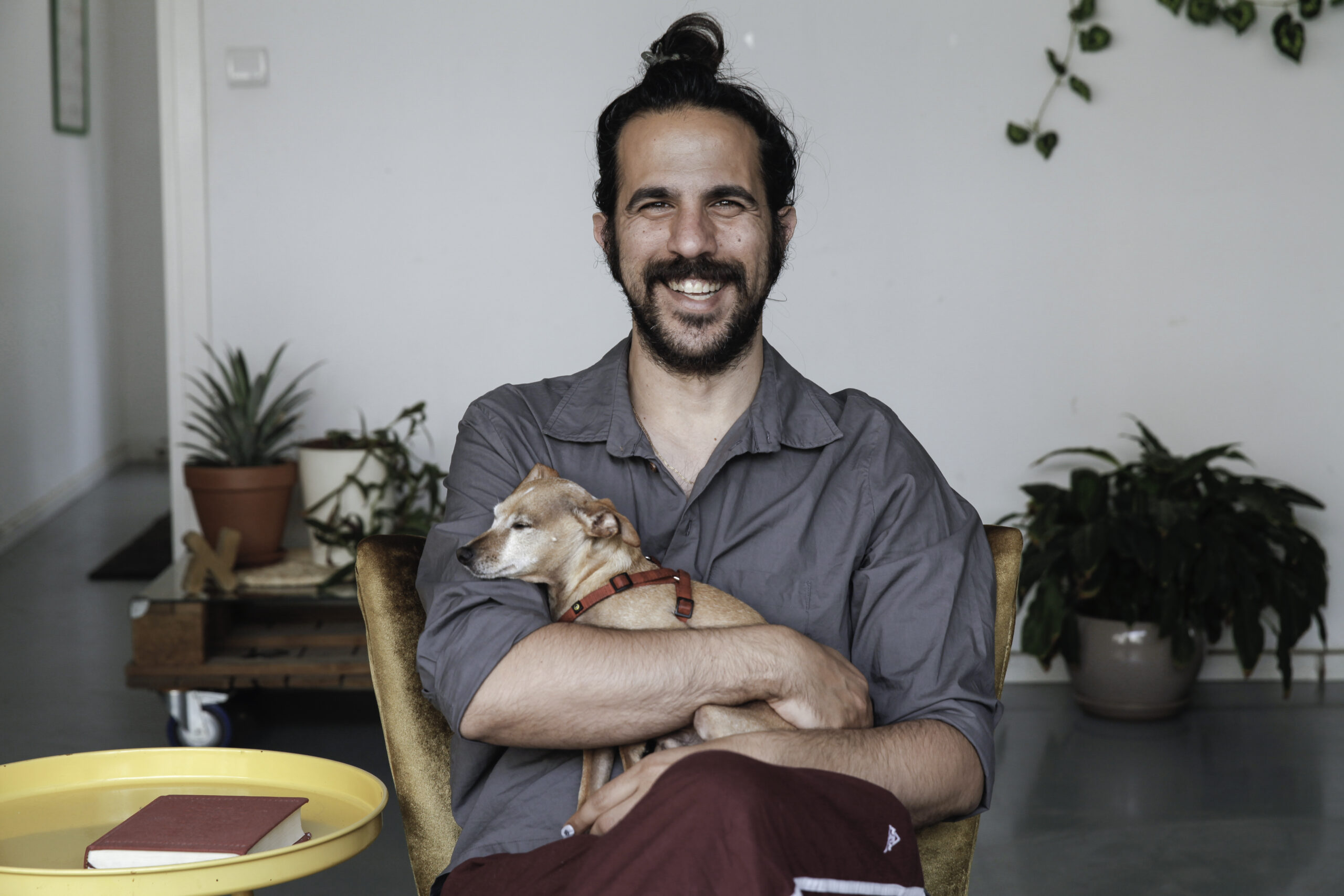
Yaron Sivan
Yaron founded Ulpan Bayit in Tel Aviv. He writes about teaching Hebrew, learning other languages, and the things that happen along the way.